Helpful Tips to Hiring a Philadelphia Roofer
Choosing the Right Roofer: Important Advice for Your Roofing Job
Selecting the right roofing contractor for a job requires careful consideration and thorough evaluation. Homeowners must first identify specific roofing issues and document their findings. Next, they should conduct extensive research on potential contractors. This approach entails checking certifications and obtaining perspectives from former clients. Understanding how to assess quotes is equally important. As they navigate these steps, homeowners may encounter challenges that could impact their decisions. What should they watch for as they proceed?
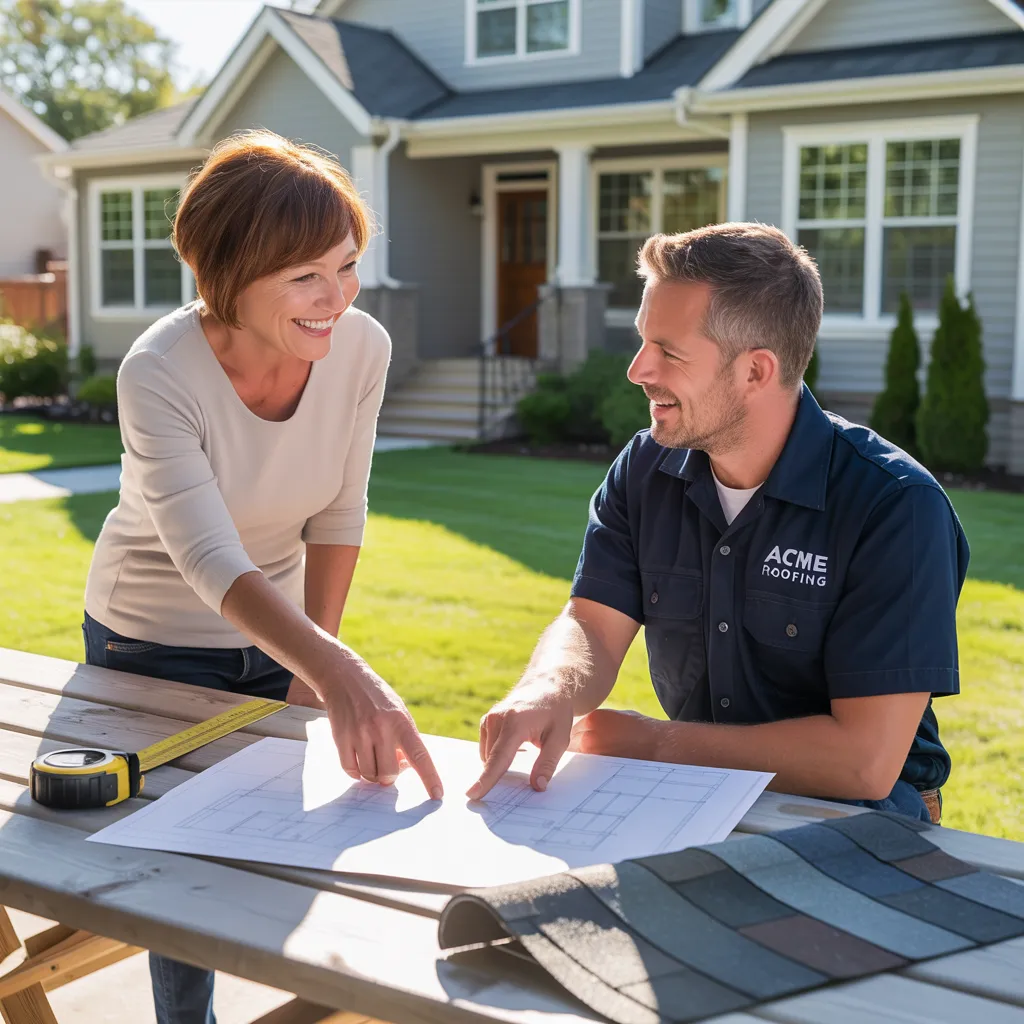
Recognize Your Roof Problems Before Engaging a Roofer
What steps can homeowners take to tackle their roofing concerns prior to bringing in a professional? First, they should conduct a thorough inspection of the roof, looking for visible signs of damage such as missing shingles, leaks, or discoloration. Documenting these issues with photographs can provide clarity when discussing repairs. It is also important for homeowners to factor in the age of their roof, since this may determine the scope of required repairs or whether a full replacement is needed. Checking the home's interior for signs of water staining or mold is equally important, as these symptoms can signal significant roofing concerns. Gathering information on local weather patterns can also help homeowners understand potential risks. Through pinpointing particular problems, homeowners are better equipped to discuss their needs with prospective roofers, guaranteeing more precise evaluations and suggestions. This proactive approach can lead to more informed decisions and ultimately result in a successful roofing project.
How to Successfully Research Roofers
When researching roofers, it is important to verify their licensing and insurance to guarantee compliance with local regulations. In addition, assessing their background and skill set can provide insights into their capabilities. Reviewing multiple estimates and offerings will help in making an informed decision that suits your individual roofing situation.
Verify Licensing And Insurance
Prior to hiring a roofer, it is important to verify their licensing and insurance to ensure both credibility and protection. A legitimate license shows that the contractor has fulfilled the required state regulations and standards for roofing work. Homeowners are advised to check with the appropriate local authorities or licensing boards to verify the roofer's credentials. Additionally, insurance is vital; it safeguards both the homeowner and the contractor in case of accidents or damages during the project. Request proof of insurance, including both liability and worker's compensation coverage. This step assures that any potential problems are resolved without financial burden on the homeowner. Proper licensing and insurance not only reflect professionalism but also promote peace of mind throughout the roofing project.
Assess Experience And Expertise
Confirming a roofer's licensing and insurance establishes a strong basis for a successful project, but their experience and expertise are just as critical to consider. Homeowners would benefit from examining how long the roofer has been in business, as reputable businesses usually demonstrate consistent performance. Furthermore, looking into the roofing services they are known for can reveal their proficiency in particular materials or techniques. Checking online reviews and seeking referrals can provide insights into their work quality and reliability. Homeowners should also consider asking about any qualifications or courses the roofer has pursued, which can strengthen their overall capabilities. Diligent investigation in these aspects enables homeowners to select the right professional for their roofing requirements.
Evaluate Quotes And Services
What can homeowners do to ensure they get the most value from their roofing project? By evaluating estimates and offerings from several roofing professionals. This process involves obtaining detailed estimates that outline labor, materials, and project timelines. Homeowners ought to look beyond the cheapest bid and weigh the caliber of materials and warranty coverage provided. It's vital to ask about the scope of work included in each quote, as discrepancies can lead to unexpected costs later. Furthermore, reviewing client testimonials and verifying references can offer valuable perspective on a contractor's dependability and quality of work. In the end, diligent research and thoughtful comparison enable homeowners to make well-informed choices, guaranteeing their roofing project satisfies both financial and quality standards.
Verify Credentials and Review Feedback for Quality Assurance
When selecting a roofing professional, checking credentials is essential for securing quality craftsmanship. This includes verifying proper licensing and insurance, which protects both the homeowner and the contractor. Furthermore, examining the company's reputation through reviews can provide valuable insights into their dependability and craftsmanship.
Confirm License and Insurance
Verifying that a roofer possesses valid licenses and insurance is critical for any homeowner in search of quality service. A licensed roofer exhibits compliance with local regulations and industry standards, providing assurance of their expertise. Homeowners should ask for copies of the roofer's license to confirm its authenticity and make certain it is current. Additionally, insurance coverage is necessary; it safeguards both the homeowner and the workers in case of accidents or damages during the project. Before hiring, homeowners should confirm that the roofer has adequate liability insurance and workers' compensation. This step not only mitigates financial risks but also reflects the roofer's commitment to professionalism. Implementing these precautions aids in identifying a reliable contractor for roofing needs.
Investigate Company Reputation
After confirming a roofer's licensing and insurance, the subsequent step entails investigating the contractor's standing. Future clients ought to browse customer reviews on websites including Google and Yelp to evaluate service quality. Positive feedback often indicates trustworthiness and superior work quality. It is also advisable to ask for referrals from family members, friends, or colleagues who have just finished roofing work. Additionally, interested homeowners should consult the Better Business Bureau (BBB) to identify any complaints or unresolved issues. A reliable contractor will maintain a consistent record of handling customer concerns. Connecting with former clients, if possible, can reveal important details about the company's approach and work ethic. This detailed evaluation secures informed decisions and improves the probability of a smooth roofing experience.
How to Assess Roofing Quotes
Assessing roofing quotes necessitates a careful examination of a number of critical factors to ensure a solid investment. Property owners should initially evaluate the overall costs, including materials and labor, guaranteeing pricing clarity. It is critical to review the work details detailed in each quote; a detailed breakdown helps identify any hidden charges.
After that, assess the suggested materials. Quality should not be compromised for a lower price, as high-quality materials often prove more cost-effective in the future. Additionally, check the warranty offered; a solid warranty is a testament to the contractor's confidence in their work and materials.
In conclusion, take into account the timeline for completing the project. Estimates should include projected start and completion dates, which aids in planning. By meticulously analyzing these elements, property owners are able to make well-informed choices that suit their financial constraints and project objectives, resulting in a well-executed roofing project.
What to Ask Your Roofer in the First Meeting
What key questions should homeowners ask during their first consultation with a roofer? First, they should inquire about the roofer's licensing and insurance to guarantee compliance with local regulations and protection against potential liabilities. Homeowners should also ask about the roofer's experience, particularly with similar projects, to gauge their expertise. Inquiries about the materials to be utilized and the warranty provided can offer valuable information about the quality of the workmanship. Furthermore, homeowners should review the estimated timeline for the work, ensuring it meets their scheduling needs. It's crucial to ask about the payment schedule and any financing options available. In conclusion, homeowners should ask for references from former clients to determine the roofer's track record and craftsmanship. By addressing these areas, homeowners can make informed decisions, setting the stage for a successful roofing project.
Warning Signals to Watch for in Unqualified Roofing Contractors
Recognizing incompetent roofers is crucial for homeowners to prevent expensive errors. A number of warning signs can indicate a shortage of professionalism or skill. Initially, be cautious of roofers who give estimates without performing a comprehensive evaluation. This often indicates a lack of diligence or knowledge. Additionally, an absence of proper licensing and insurance should raise immediate concerns, as it exposes homeowners to liability.
An additional red flag is the reliance on aggressive sales techniques. Reputable contractors should allow clients to make informed decisions rather than push them to decide hastily. Moreover, a weak digital footprint, including bad ratings or little social media visibility, can suggest a lack of credibility. Lastly, if a roofing professional cannot offer a comprehensive written agreement, it may signal a lack of professionalism. Property owners would be wise to take note of these warning signs to make certain they hire a competent and dependable roofing contractor for their project.
Common Questions and Answers
How Much Time Does a Roofing Project Usually Take to Finish?
Typically, a roofing undertaking can last anywhere between a few days to 2 weeks to complete, depending on considerations such as the roof's overall size, structural complexity, local weather conditions, and the team's experience and efficiency.
What Are the Best Materials for My Climate?
In regions that experience significant snowfall, metal roofing stands out as the optimal solution, while asphalt shingles work best in regions with mild weather conditions. For areas with high temperatures, clay tiles or reflective materials get started help reduce heat absorption, providing both structural longevity and improved energy efficiency in a wide range of environments.
How Do I Care for My Roof Following Installation?
Routine inspections, removing debris, upkeeping gutters, and identifying leaks are critical for roof upkeep after installation. Tackling minor concerns without delay can avoid substantial damage, maximizing the roof's longevity and securing top-level performance throughout its lifetime.
Is There a Warranty Available for Roofing Services?
Yes, various warranties are available for roofing projects, typically covering materials and workmanship. Property owners are encouraged to ask about the specific terms, including the length and scope of coverage, to ensure sufficient coverage for their investment in roofing.
What Insurance Coverage Should Roofers Maintain for Protection?
Roofing professionals are required to hold liability coverage to protect against potential property damage, workers' compensation insurance for employee injuries, and also commercial vehicle insurance for vehicles utilized in their roofing operations. These coverages protect both the contractor and the client from unexpected problems.